I lead education content marketing and build the systems that scale it.
Scroll to meet me
I understand emerging technology, translate it into something human, demonstrate its value, and inspire people to actually use it.
I also build the AI systems that scale production.
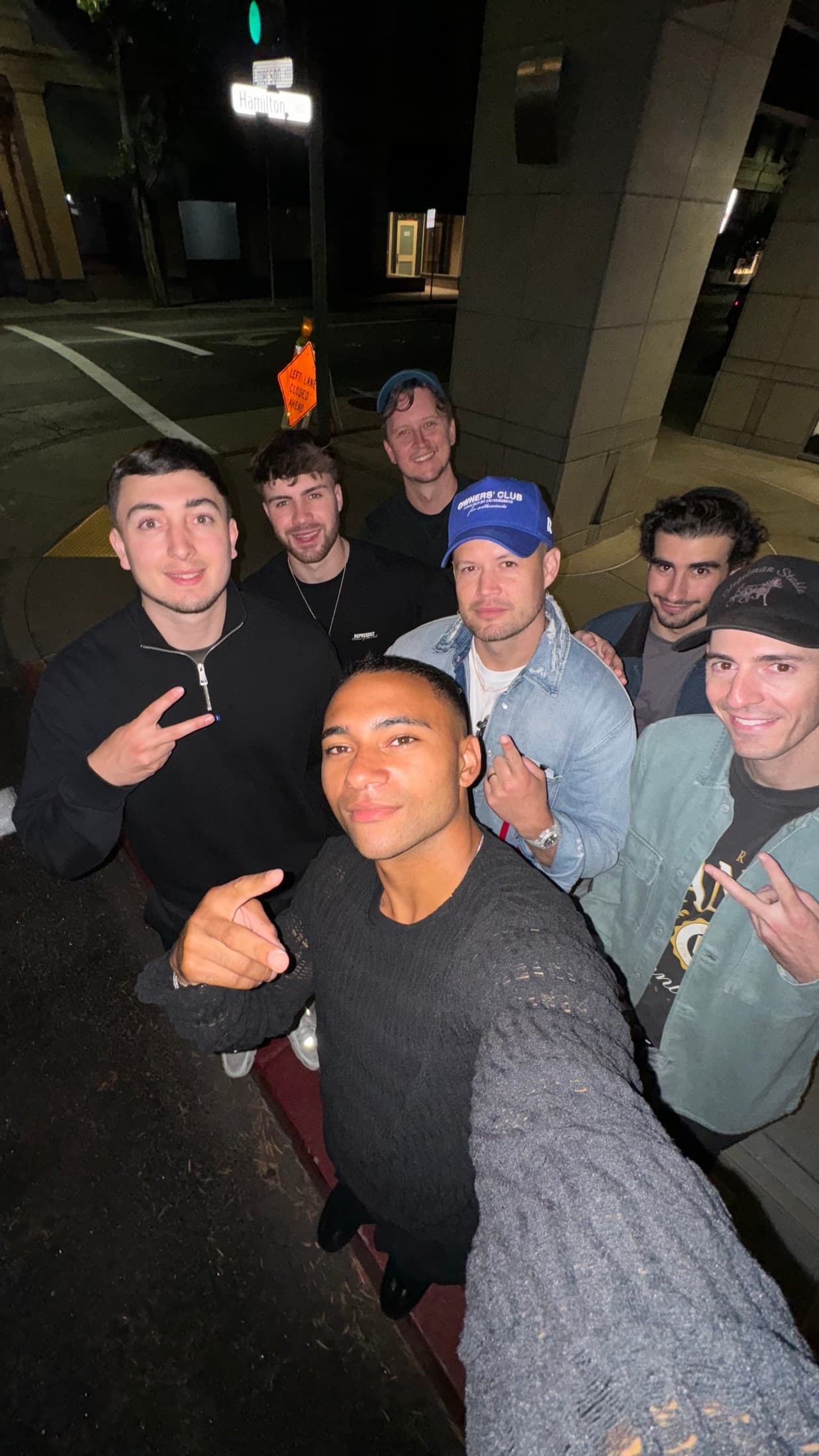
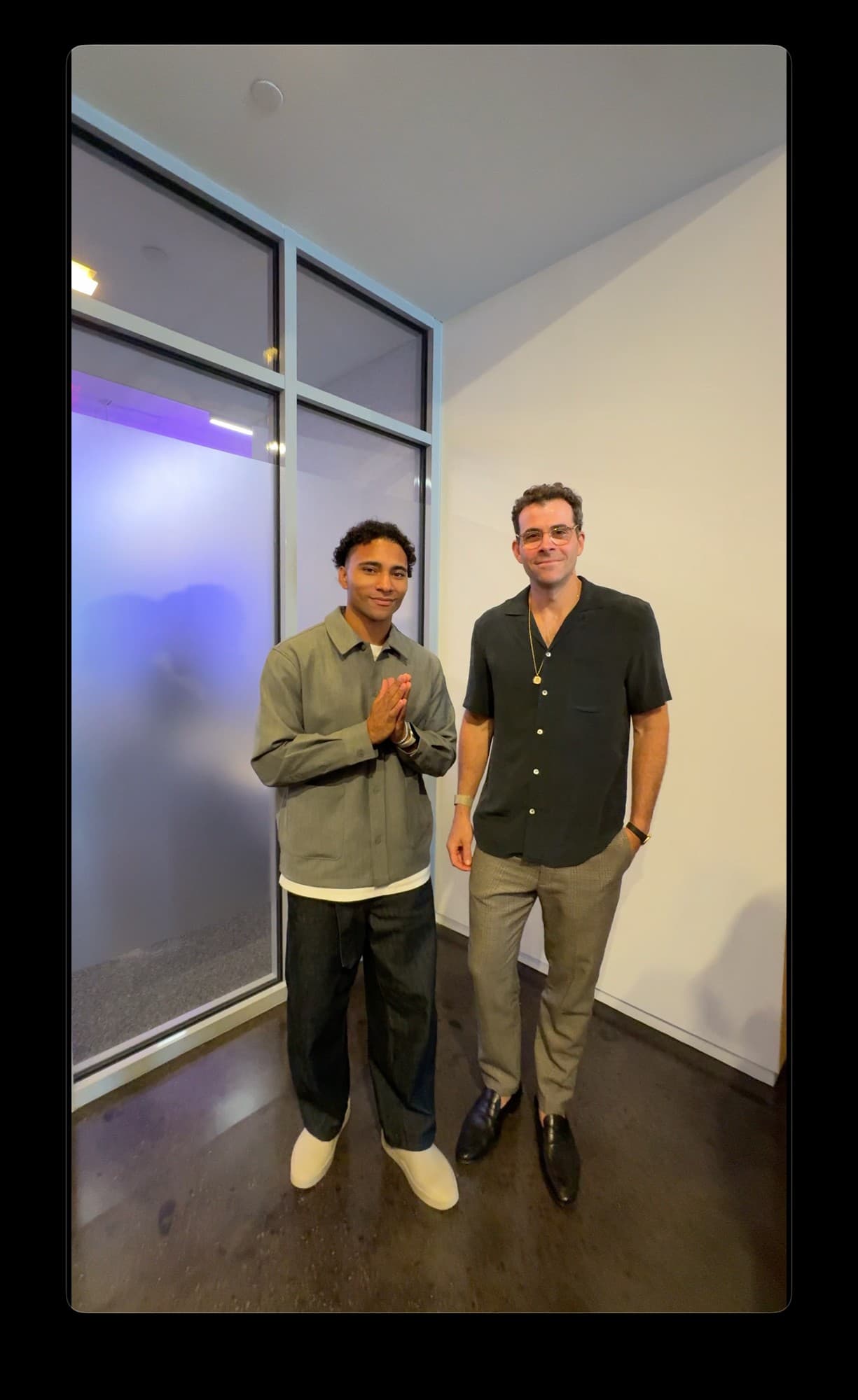
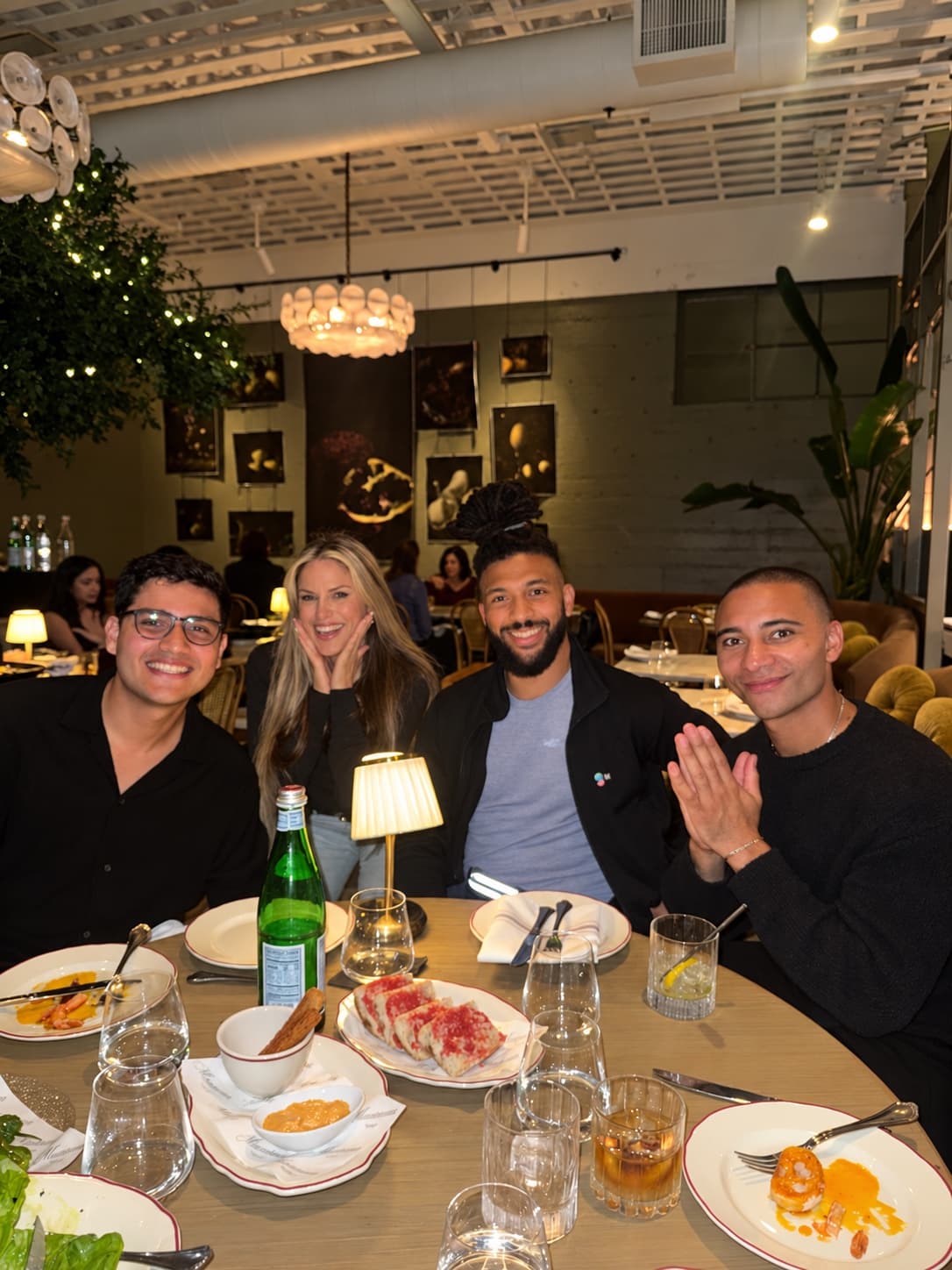
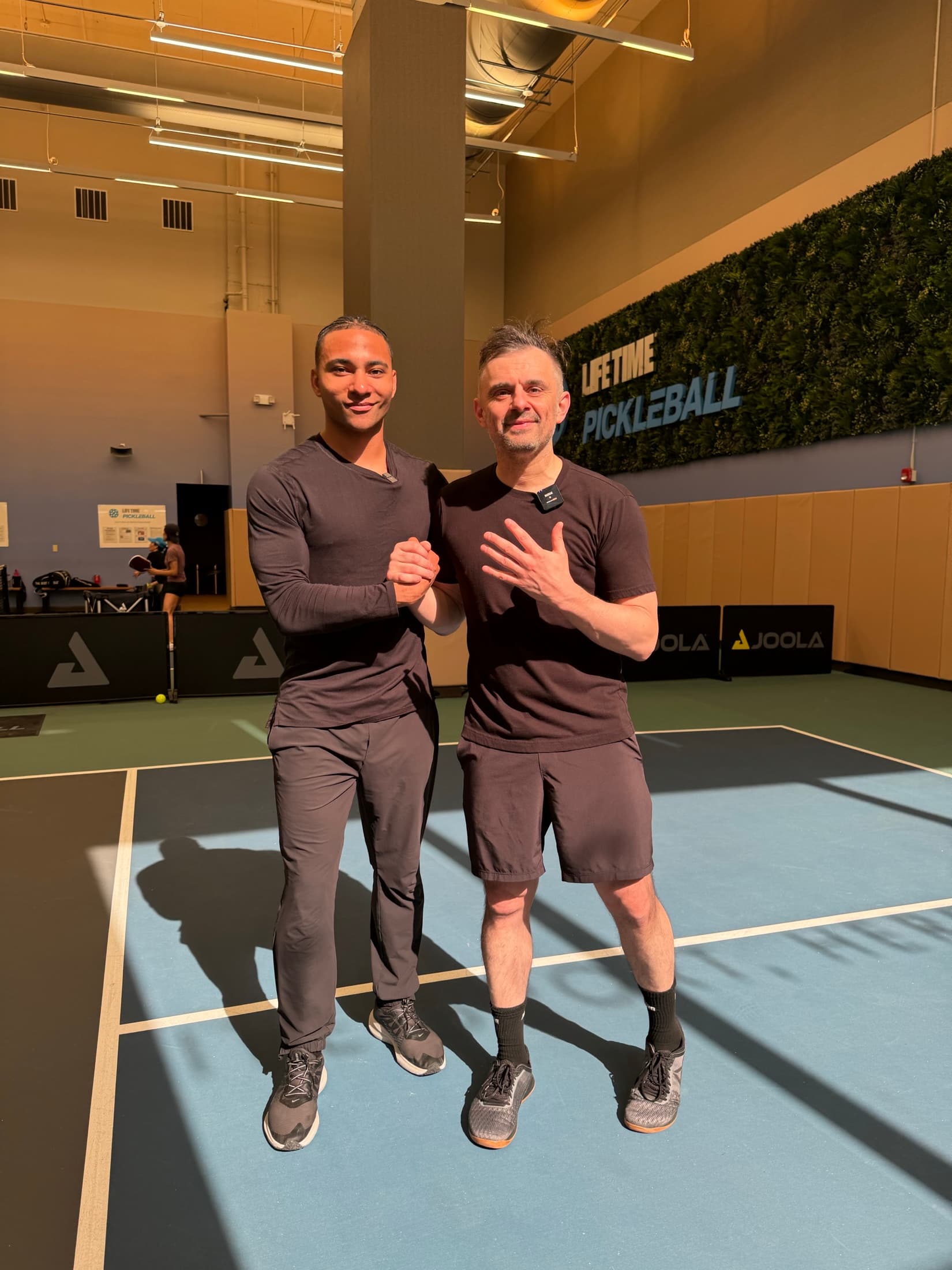
Mindvalley · AI Mastery & Social Media Mastery
2023–2026Curriculum Design, Education Funnels & Teaching at Scale
Curriculum designer, launch educator & faculty member
From free Summit classes to paid Mastery programs, I designed lessons, helped shape curriculum, and taught practical AI skills. My work connected what attracted prospective students, what they needed to learn, and how to demonstrate that value clearly.
Paying students
per annual course
I taught classes attended by 1,500+ paying students.
I make unfamiliar AI concepts understandable to large cohorts through clear explanations, visual demonstrations, and live coaching. Teaching at this scale requires a structure people with different starting points can follow and apply.
These are real students I taught at Mindvalley.
Average
class rating
#1 for 4 consecutive years
“I really learned a lot from Domenic Ashburn, especially about authenticity and core values, which deeply resonated with me.”
I delivered highly rated teaching across four years of Mastery programs.
I connect practical AI skills to learners’ own goals and values. The 9.5 average class rating, four consecutive years ranked first, and Patricia’s feedback about authenticity and core values show how that teaching approach resonated with students.
1 / 4 · Explaining AI skills · 0:43
I communicate complex AI ideas to large audiences.
I make unfamiliar AI concepts understandable through familiar tasks. In this 43-second lesson, I explain reusable AI skills through writing emails in your voice and creating content in your brand style, then connect those examples to consistent, repeatable work. The photos show on-stage teaching and direct conversation with an audience. My Mindvalley classes are attended by 1,500+ paying students per annual course.
I design curriculum that turns unfamiliar technology into practical skills.
I proposed program topics and designed my own lessons, while Vykintas organized the overall curriculum. I plan learning objectives, hands-on exercises, and supporting materials for students with different technical starting points.
Paid student sales
per Mastery
From attention to a reason to enroll
Registration profiles + the promise that brought them to the Summit
AI workspace setup · product idea → research → imagery → concept website
Build the product · run the business · reach customers · create sales systems
I designed funnel curriculum supporting ~$15M in paid student sales per Mastery.
I used registration profiles and the program promise to design free Summit classes that gave prospective students early wins. Building a concept website from an idea made AI’s value tangible and exposed the next skills they needed from the paid Mastery. Mindvalley’s programs generated approximately $15M each; I contributed launch curriculum and teaching within that broader sales funnel.
I teach transferable thinking through live coaching.
I teach students to define a result, work backward through inputs and process, and decide what feedback signals success. I coach their own examples in front of the class, checking understanding at each step so everyone can follow the reasoning. This revised portfolio worksheet presents the same four-part exercise.
Achievement
I combine curriculum design, education marketing, and large-group teaching to make emerging technology understandable and valuable.
- Curriculum designI proposed practical curriculum topics and authored my own lessons.
- Audience researchI used registration profiles and the program promise to plan launch education.
- Education marketingI designed free Summit classes as a funnel into the paid Mastery.
- Learning designI structured hands-on lessons from achievable first steps to a complete project.
- FacilitationI coached students live and made their reasoning visible to the whole class.
- Teaching at scaleI presented classes attended by 1,500+ paying students per annual course.
- Teaching qualityMy classes ranked first for four consecutive years.
AgentGPT · @mr.grateful
2023I used ChatGPT to reach 100,000 Instagram followers.
Channel owner, content strategist & video creator
I built a dynamic content strategy with ChatGPT by returning each post’s performance metrics to the conversation. I led the creative work and used AI to develop ideas and update the strategy. I documented the process and shared the prompts, results, and lessons with the community.
100K followers in 22 days
Instagram · @mr.grateful · Start and endpoint
Businessabc · Published profile
“In 2023, Domenic became the first social media creator to use AI as his social media agent.”Read the Businessabc profile ↗
I made an emerging AI workflow visible and understandable to a community.
I turned an experiment in AI-assisted strategy into a public learning process, sharing the prompts, creative decisions, and results. Businessabc’s profile recognizes that early use of AI as a social media agent.
Initial prompt
You are ViralGPT, a social media influencer agent AI. I am your human influencer counterpart. I can act as a liaison between you and our instagram audience. You will give me content ideas about using GPT-4. You will give me a script and step by step instructions and I will record an Instagram Reel using your content idea. I currently have 5851 followers and your only goal is to turn that into 100,000 followers organically in the shortest time possible without doing anything illegal, running ads or purchasing followers. I will do everything you say and keep you updated on our current follower metrics at the beginning of each day.
Brand context I added
Let me tell you more about myself so that you can get an idea of my brand and voice. This is my instagram page: https://www.instagram.com/mr.grateful/ Use this Url to study me and the content I've produced.
I like to produce instagram reels with a mindful and calm approach with practical steps that people can improve their lives with new technology, especially creative people. I also want to have a 'wow' factor in the content by showing people what is possible while being entertaining. I also want to have an optimistic tonality about the future and embrace big ideas. I have a respect for humanity and the diversity of my followers.
Let's start again now that you have this new information.
I asked ChatGPT to be my social media manager.
I provided a specific growth goal, my brand direction, and examples of my earlier work. That context gave our creative collaboration a clear starting point.
The initial request and the brand context I added afterward appear in full.
I used performance data to keep the strategy evolving.
After publishing, I returned 24-hour metrics to ChatGPT and used them to guide the next ideas. I wrote, recorded, and edited the videos, then repeated the loop. This archived update reports 2.98M plays, 62,493 shares, and 116,598 saves for Disney Yourself.
I documented the process and shared it with the community.
I shared the prompts, creative decisions, results, and milestones as the challenge unfolded. This story explains how I developed ideas and scripts with ChatGPT while leading recording, editing, and publishing.
I introduced the challenge in the original launch video.
1:31The video makes the goal and the AI-assisted process visible to the audience following the experiment.
I explained the process in a strategy workshop.
The workshop covers brand context, performance inputs, and iteration. Its chapters let you inspect each part of the workflow here.
I discussed the experiment with Calum Johnson.
The interview explains how the channel-growth experiment developed and what I learned from it.
Foundr covered the channel-growth result.
The episode reports 100,000 followers in 22 days. Its title refers to the 30-day challenge.
Achievement
I combined AI-assisted strategy, creative production, and performance feedback to reach the reported 100K milestone in 22 days.
- Context designI gave ChatGPT my past content, transcripts, and brand guidelines.
- Editorial judgmentI developed daily ideas with ChatGPT and wrote the scripts.
- Video productionI recorded, edited, and published the videos myself.
- Performance analysisI returned each post’s 24-hour performance to the strategy conversation.
- Audience listeningI used audience polls and comments to guide content decisions.
- Channel storytellingI shared prompts, results, and milestones as the experiment unfolded.
Meta · Instagram
Creator Campaigns, Product Demonstration & Education
Campaign creator, expert collaborator & workshop presenter
I developed a New York AI campaign for Instagram’s @design that made emerging tools personal through fashion and tattoo design. In a separate Creator Summit workshop, I demonstrated how existing videos could reach new language audiences.
I taught Instagram’s top 100 creators how to expand their audience with AI.
At the Creator Summit I showed translation, voice cloning, and lip-sync synchronization. Creators could see the result and the work required to produce it, and I connected each technical step to the practical goal.
I taught and recommended AI translation before Instagram shipped it as a native feature.
I recommended automatic translation and lip dubbing from one creator account, based on the viewer’s language. Meta later released this capability on Instagram and Facebook. This screenshot shows its August 19, 2025 announcement.
NY AI campaign: I translated Kia’s expertise into KiaGPT.
0:55I built the GPT from her philosophy, styling questionnaire, and content transcripts. Kia tested it with me, and I redesigned the shoot so we could record separately.
I made the tattoo workflow a complete creative story.
1:08The film follows an idea through Instagram AI, collaboration with a tattoo artist, and the final result. I returned to capture the healed tattoo for an accurate reveal.
I expanded the brief into a connected campaign.
1 / 6 · The campaign pitch
I proposed NY AI as a connected series across seven creative disciplines. The pitch gave individual demonstrations a shared campaign concept.
Achievement
I turned new AI capabilities into two creator-led films, an expert-informed GPT, and a practical audience-growth workshop.
- Campaign strategyI expanded the initial brief into a connected series of creative AI uses.
- Audience judgmentI chose fashion and tattoos for their personal, relatable creative stakes.
- Expert synthesisI built KiaGPT from Kia’s philosophy, questionnaire, and content transcripts.
- CollaborationI refined KiaGPT’s use cases with Kia through hands-on testing.
- Video leadershipI scripted, filmed, and edited the styling and tattoo demonstrations.
- Creator educationI demonstrated translation and lip dubbing with my own video at the Summit.
- Product feedbackI recommended viewer-based translation within a single creator account.
Sentient Agency
AI-Native Content Systems & Production Automation
Production systems designer & AI tool builder
I mapped Sentient’s content production process across research, writing, and design, then built an automated AI tool for channels including @chatgptricks, @artificialintelligence, and @planet.ai_. I shifted repeated production work into the system so people could focus on curation, taste, and editorial judgment.
An AI-native system for a multi-brand publishing operation
- Followers in Sentient’s network
- 100M+
- Owned channels and creator network
- 20+
Sentient’s operating scale; these figures are not growth generated by my tool.
I designed content automation for a multi-brand operation.
A workflow repeated across many channels needs reusable brand context and production rules. I mapped the research, writing, and design steps, then built an AI-native tool to prepare content for review—shifting people’s attention toward curation, taste, and publishing decisions.
I designed an AI-native workflow around the team’s publishing needs.
I mapped how people found stories, researched sources, wrote headlines, and designed carousels. That exposed repeatable work AI could take on and the decisions people should keep. The existing @chatgptricks feed established the output standard: recognizable brand expression rather than generic AI content.
I encoded brand and editorial direction as reusable AI context.
I translated each brand’s message, values, audience, and visual rules into inputs the system could use across research and production. Keeping that context with the strategy and performance observations makes the workflow repeatable across channels while people decide what is relevant and worth publishing.
I automated production so people could curate and refine.
The tool prepares research, copy, imagery, and branded carousel layouts for review. People select the stories and refine the result through editable layers and slides. I redesigned the division of work so AI handles repeated production steps and the team concentrates on taste, accuracy, and publishing judgment.
Achievement
I turned a manual research-to-carousel workflow into an AI-native content system that prepares work for human curation and refinement.
- Workflow designI connected story research, source review, copy, and carousel design.
- Content analysisI surfaced likes and views against a source page’s usual performance.
- Editorial judgmentI kept human judgment in charge of story selection and approval.
- Brand systemsI defined brand direction through audience, messaging, and visual guidelines.
- Production toolingI built reusable layouts, slide editing, previews, and exports with Codex.
- Team enablementI shared the GitHub repository so designers could customize their tools.
@mr.grateful · Independent technology content
Video Development & Visual Storytelling
Editorial lead, researcher, writer, presenter & editor
I make technology stories for people who build products, lead teams, teach, and shape marketing. I select topics that can improve their decisions about how, when, and why to use technology, then turn research and firsthand experience into visual explanations.
I grounded the Claude Fable story in research and firsthand use.
2:57I had used Fable while building The Sacred Act. I combined that experience with published material to explain why the model mattered to people building with AI.
I align the spoken, written, and visual hooks.
2:24The Opus 5 explainer pairs the central question with demonstrations and reference graphics. I write the script and develop the visuals as one story.
I make interface changes visible.
2:25In the iOS 26 video, interface examples and on-screen graphics let the viewer inspect the software changes as I explain them.
I connect a technical release to a decision.
2:18The Kimi K3 story considers what a model release means for people choosing how to build, invest, and use AI.
I translate a perspective into practical actions.
1:21Five ways to flow with technology turns an editorial perspective into a concise sequence the audience can use.
- Audience questions
- Confusion or curiosity
- A clearer explanation
- The next video
Feedback informs the next cycle.
I use the discussion to shape the next story.
Questions expose confusion and deeper interest. I use them to choose follow-ups and improve explanations, alongside shares and the depth of the conversation.
Achievement
I own the full production process and use shares and the depth of audience questions to guide what comes next.
- Editorial judgmentI select stories for their usefulness to people making technology decisions.
- Research synthesisI combine primary-source research with firsthand product-building experience.
- Content strategyI align written, visual, and spoken hooks around a curiosity-building question.
- Video leadershipI write, present, edit, and design the supporting graphics.
- Content evaluationI evaluate shares, audience questions, and the depth of discussion.
- Editorial iterationI use confusion and curiosity in comments to plan clearer follow-up content.
Adobe Firefly · kvell
2023Product Communication & Creative Adoption
Creative lead, product communicator & tutorial producer
Adobe commissioned me to make Generative Fill understandable and exciting for creatives as AI raised concerns about competition. I showed a familiar creative task, explained the workflow, and framed the capability around collaboration, experimentation, and expressing a vision.
- Instagram views
- 1.5M
- Likes
- 75.5K
- Comments
- 660
“We couldn’t be happier with how the process went and with your video!”
“awesome showcase of the tool. I gotta get into that.”
I delivered product education that reached an audience and earned partner approval.
I owned the tutorial from product testing and creative concept through production and revisions. The post’s reported reach and engagement show its distribution; the producer’s approval and viewer response support my ability to deliver useful product communication through a partner review process.
I turned a complex new product into an approachable creative demonstration.
1:22I developed the concept, script, and storyboard, then filmed and edited the tutorial through partner approval. Starting with a familiar creative task let me explain an unfamiliar AI capability in terms the audience could immediately recognize and try.
- A familiar creative task
- A visible transformation
- A workflow to try
I addressed creative resistance through a useful demonstration.
AI entering creative work raised concerns about competition and lost agency. I framed Generative Fill as a way to explore a person’s own vision, grounded the message in firsthand product testing, and kept the story focused on a workflow the viewer could use.
I made the result reproducible rather than just impressive.
Showing the selection and exact prompt connected the café transformation to actions a viewer could repeat. I turned a visual reveal into product education by explaining what caused the result.
I taught the creative judgment the tool still requires.
I showed viewers how to compare variations, keep a result, and iterate. That made their role in directing the work explicit and helped communicate AI as part of a creative process they could control.
I balanced partner feedback with instructional clarity.
I revised caption placement and audio competition and cut a peripheral tip, while explaining why the essential tutorial steps had to remain. Securing approval for that cut demonstrates both production judgment and the ability to defend useful detail through stakeholder review.
Achievement
I led an Adobe product-education collaboration that reached 1.5M views, owning product testing, creative development, production, and partner revisions.
- Product judgmentI tested the tool before promoting it and developed the script and storyboard.
- Audience understandingI addressed creative concerns through practical uses and human creative direction.
- Product communicationI demonstrated the inputs, variations, and workflow in Firefly and Photoshop beta.
- Production ownershipI owned filming, location, props, wardrobe, and editing.
- Creative iterationI improved caption placement, speech clarity, and focus through producer feedback.
- Partner reviewI explained which tutorial steps were essential and secured approval for the revised cut.
The Sacred Act · Pre-launch product
AI Product Strategy, Experience Design & Development
Independent founder, experience designer & AI-assisted developer
The Sacred Act introduces an unfamiliar habit: using a phone for contemplative practice throughout daily life. I translated that goal into product requirements for familiar navigation, understandable AI states, contextual guidance, and deliberate pacing. I built the pre-launch product with Codex and Claude and rebuilt its interface in native Swift.
I designed one visual system to explain changing AI states.
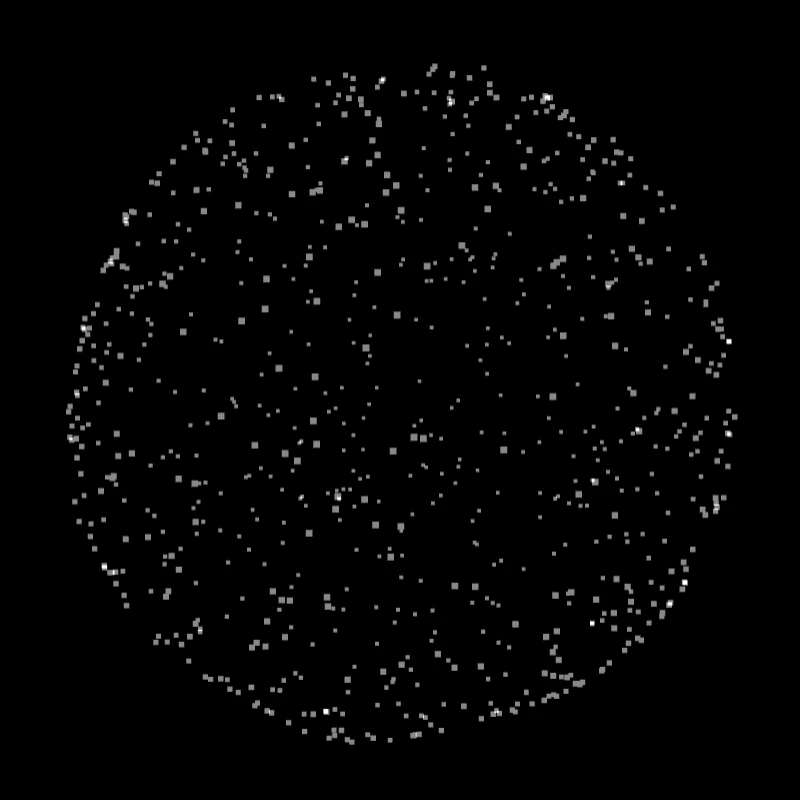
0:31Moving between practice, navigation, and AI chat could make the app feel disconnected. I used the orb as a consistent visual presence: it opens to listen, rests in navigation, and becomes a working indicator in conversation. Its movement carries that meaning across states. This recording shows the current native build.
Original application
 Swift · iOS

Native rebuild
I rebuilt the application from React Native to Swift for iOS.
The experience required fluid particle motion, connected spaces, and familiar navigation. I rebuilt the foundation in Swift so the orb and interface could share transition state and respond together. Native iOS conventions reduced what people had to learn before adopting a new practice.
I built a retention mechanism connecting to user emotions and identity.
0:59Searching across YouTube and meditation apps leaves people to choose and connect practices themselves. I built Paths to turn a person’s intention into a custom sequence of meditations with clear stages and a next practice. This connects each return to the identity they want to develop. The edited recording shows an intention becoming a path and a first practice. This is a working retention mechanism in a pre-launch product; its effect on retention has not yet been measured.
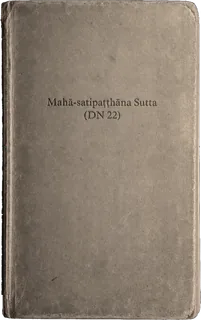
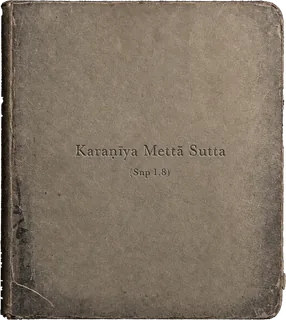

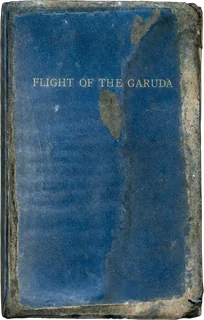
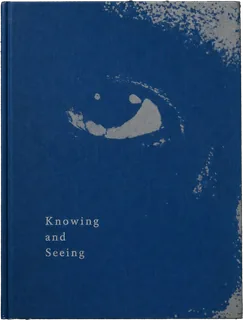
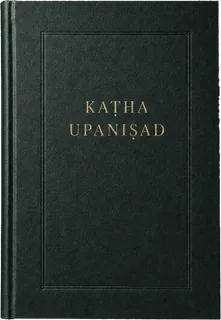
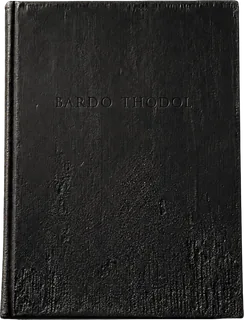
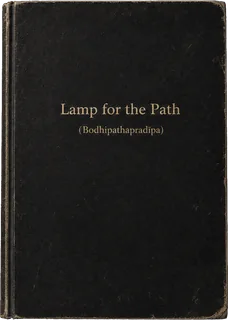

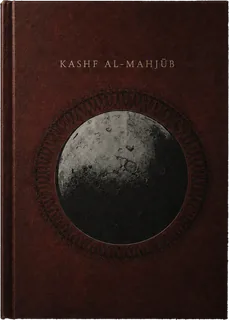
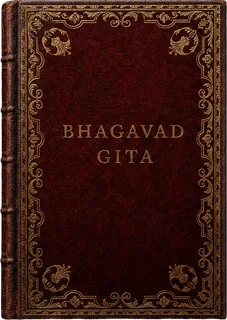
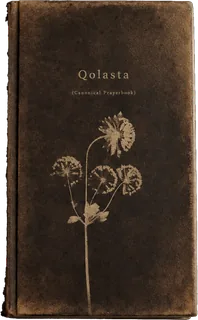
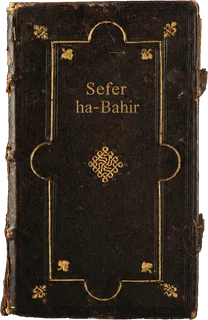

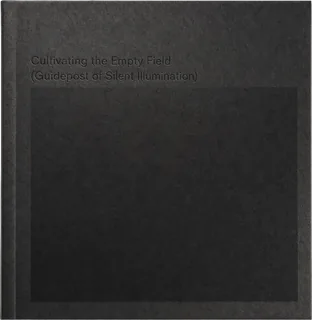
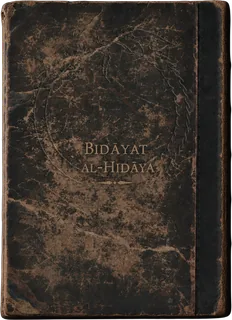
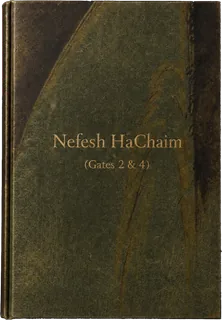
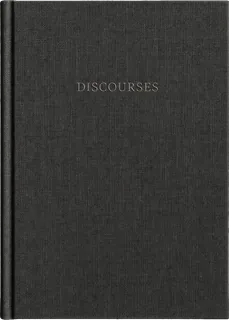
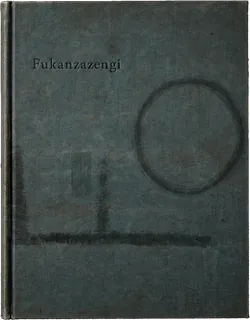
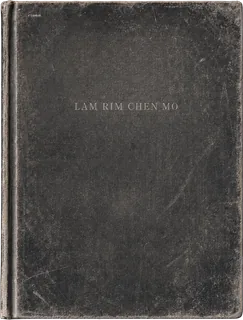
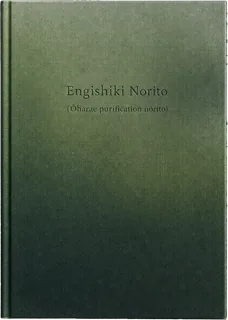
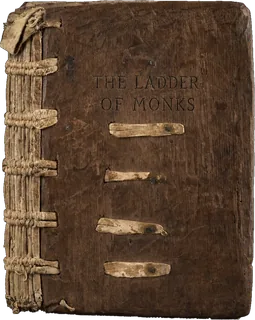
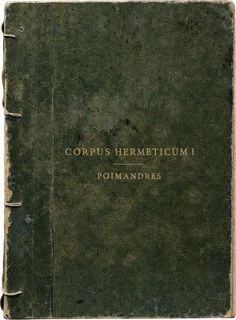
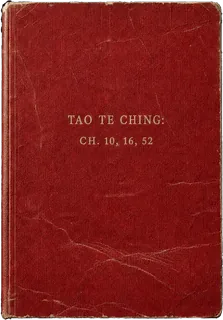
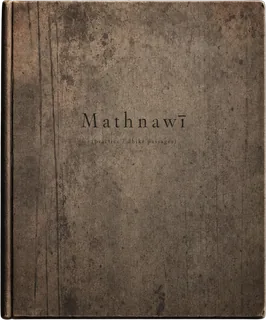
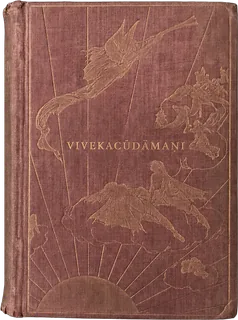
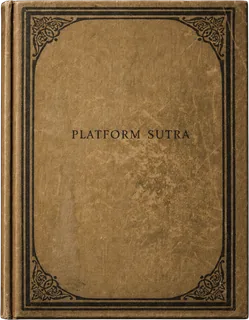

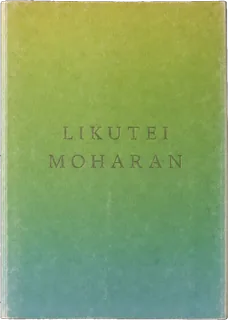
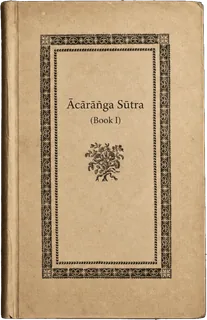
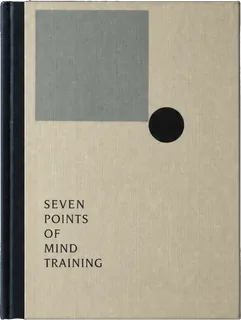
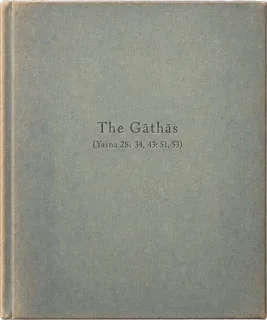
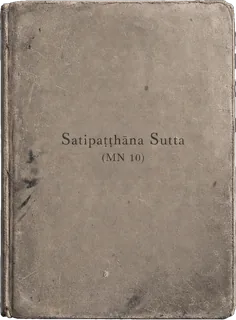
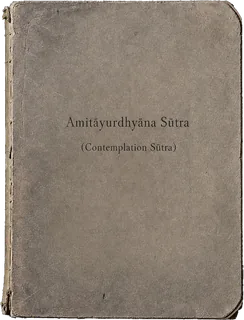
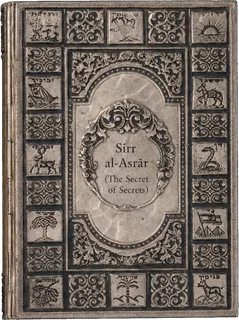
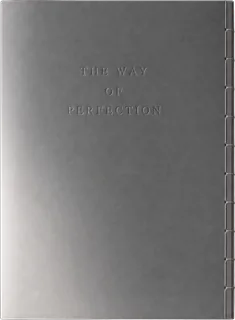
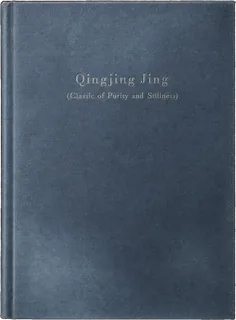
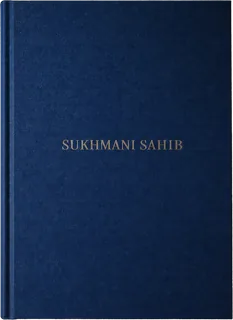

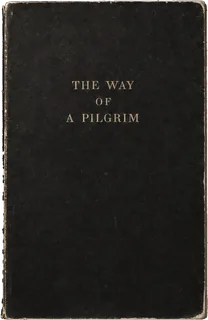
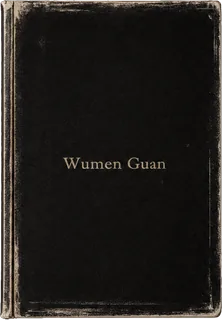

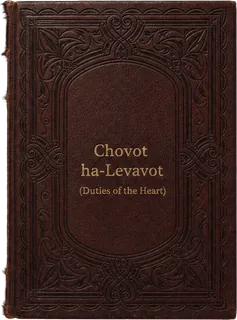

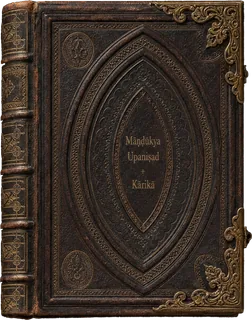
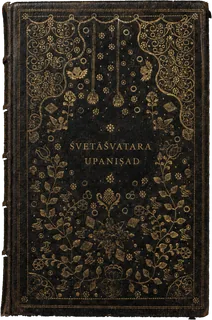
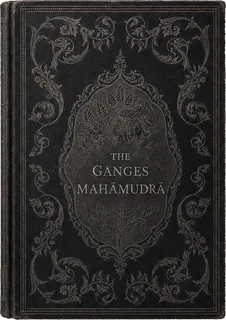

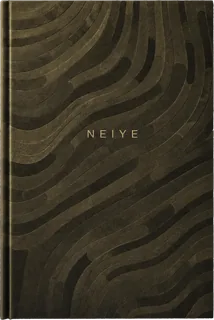
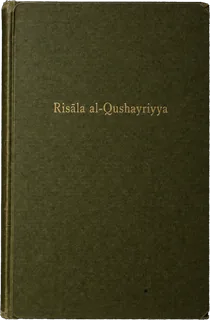
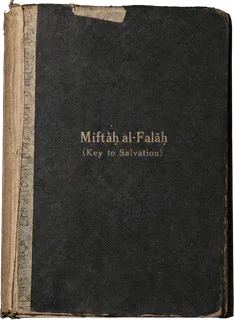
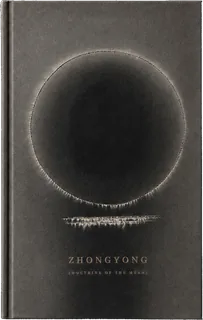
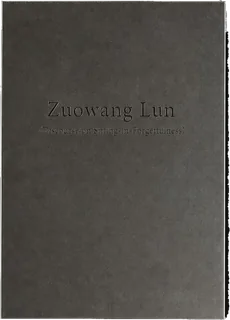
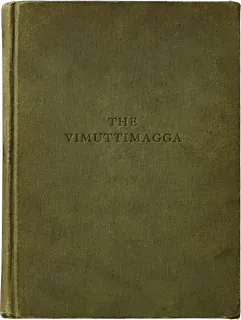
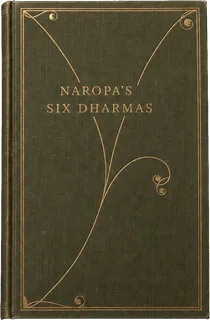
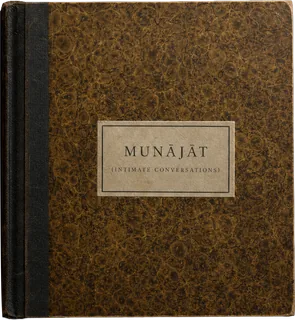

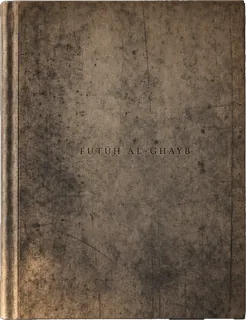
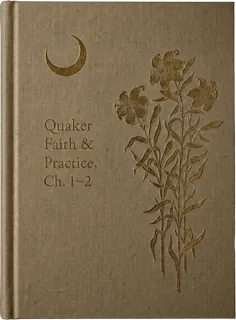


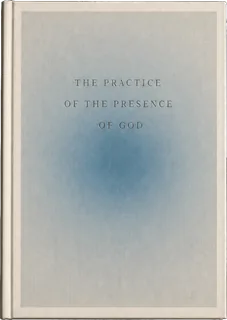
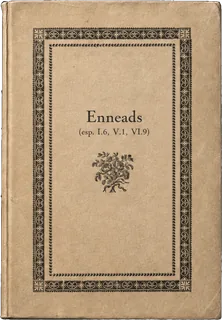
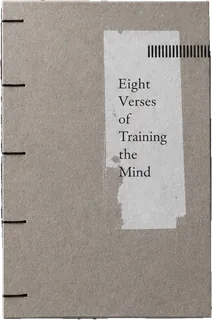
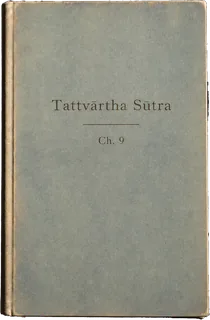
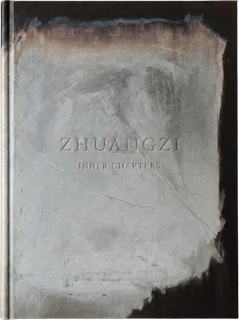
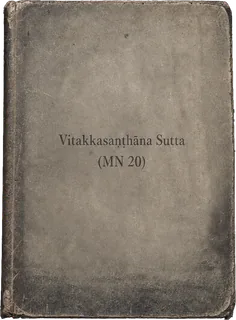
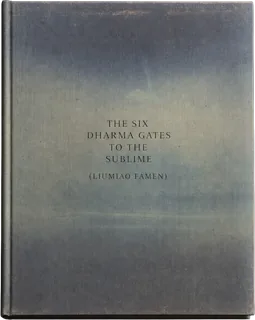
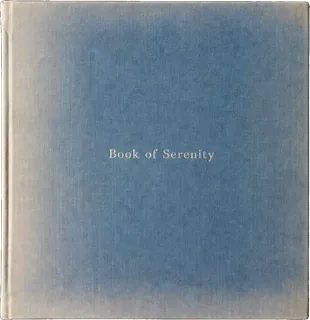
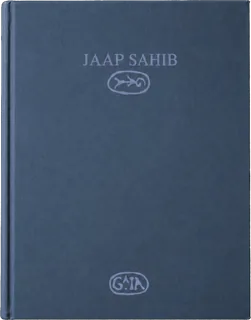
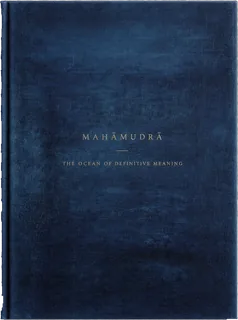
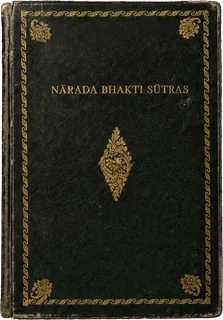

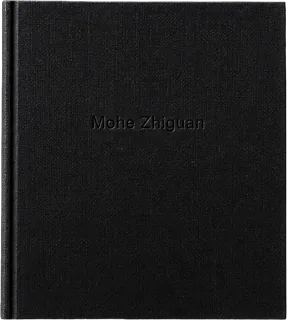

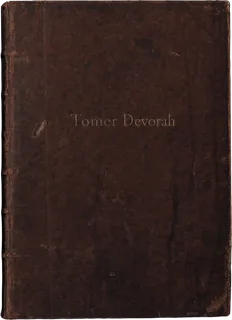
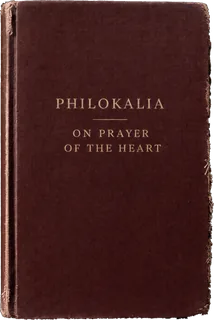
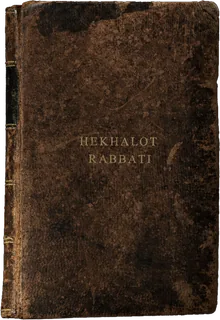
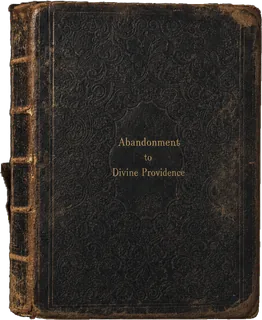
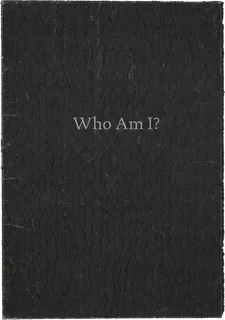
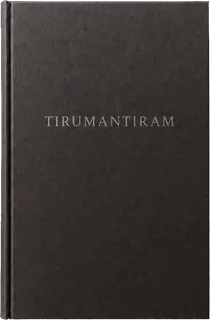
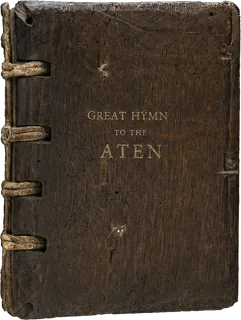
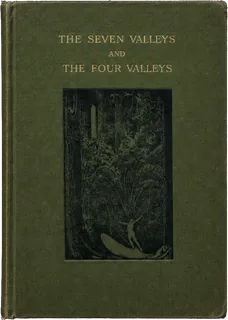
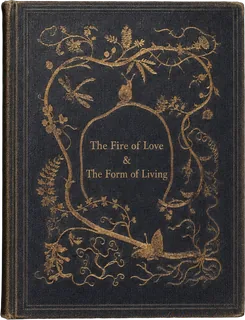
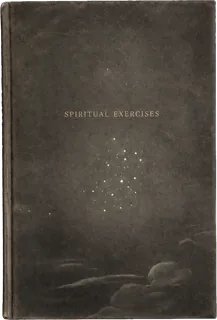
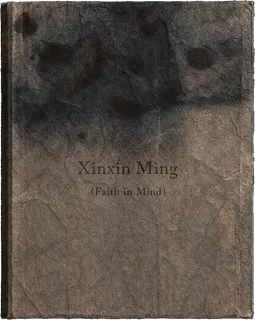
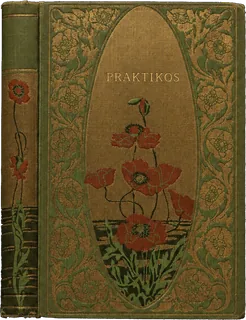
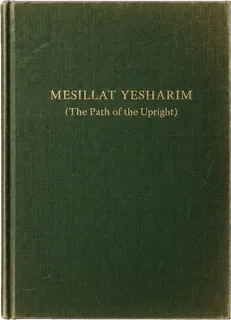
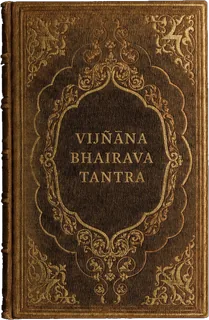
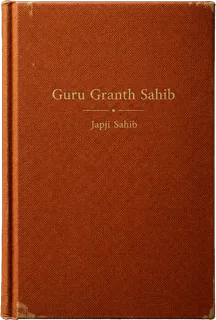
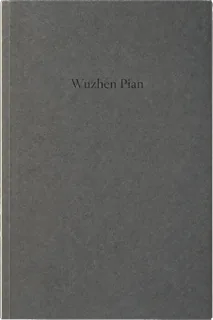
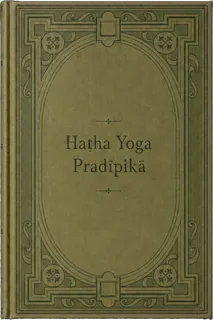
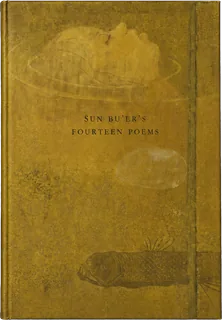

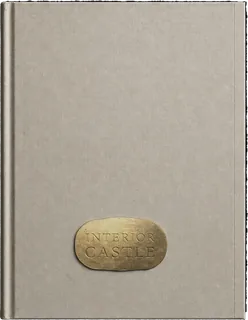

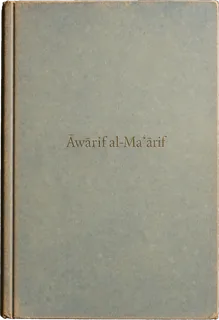
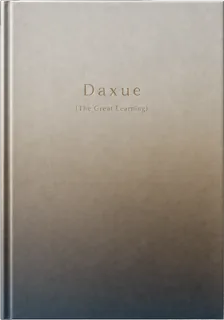
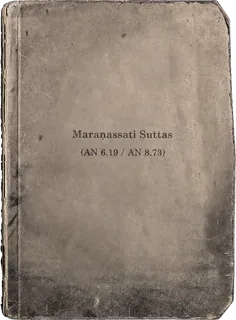

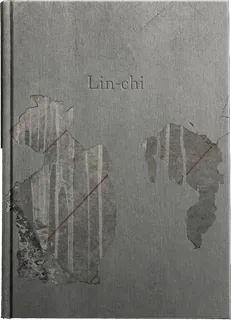
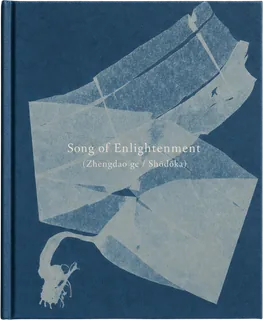
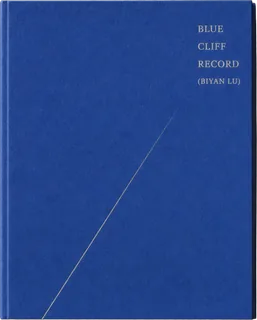

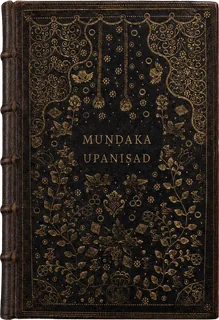
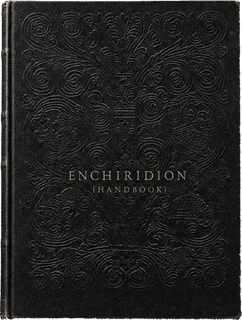

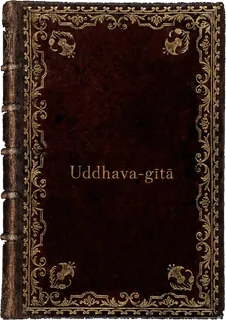
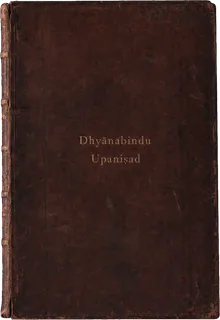
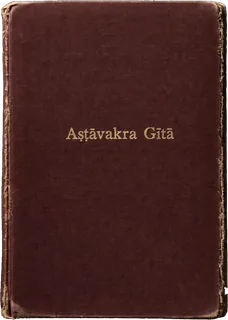
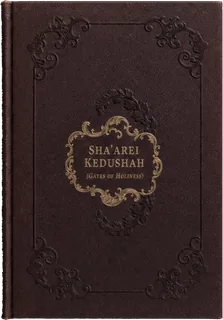
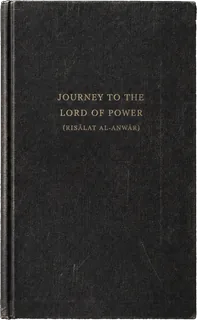
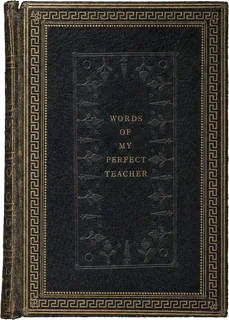

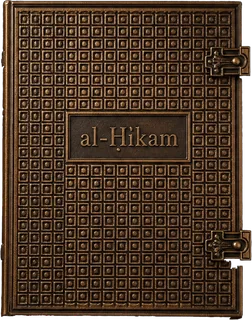
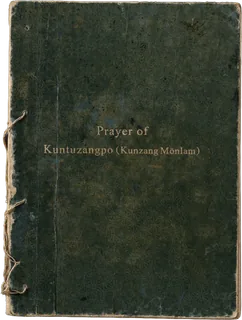
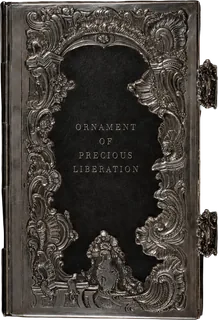
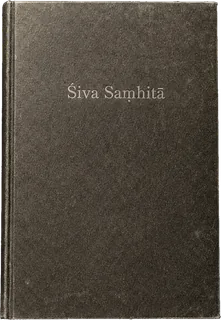
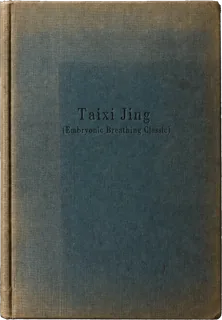
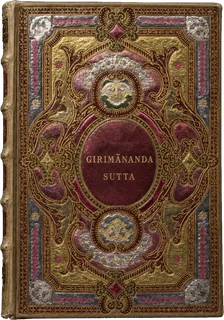
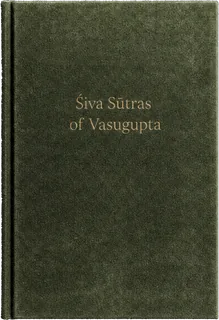
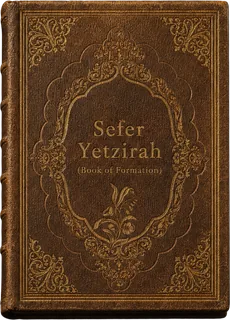


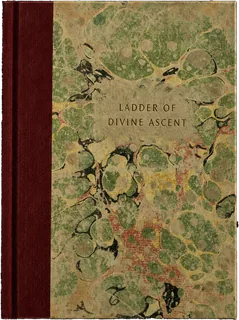

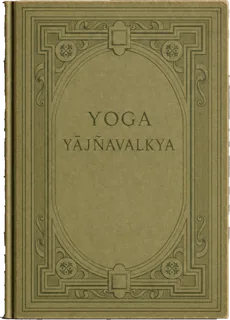
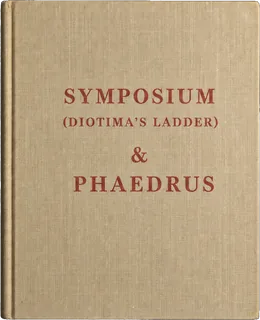
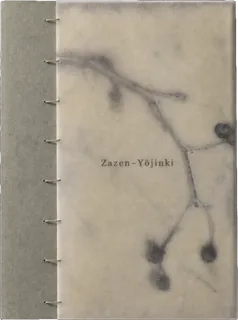
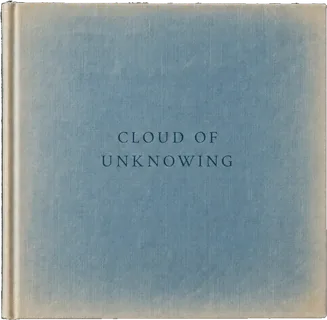
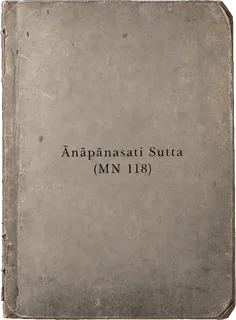
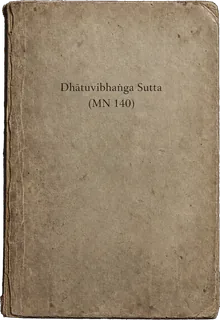
I built a machine-readable corpus from traditional source texts.
Ancient texts preserve detailed knowledge in formats software cannot use directly. I designed an AI workflow for translation, technique extraction, and evaluation against source material. Each practice becomes a structured JSON record with its source, instructions, intended use, cautions, and extraction confidence. This gives the prescription engine specific fields to search while preserving provenance and uncertainty.
I built an ML-powered engine to match practice to the person and moment.
0:42A library of practices becomes useful when someone can find what fits their situation. I built a prescription engine that uses ML embeddings to match user input to sourced meditation techniques, then ranks them using present context and prior responses. Available body signals, time, posture, and stated preferences shape the choice, and a decision trace records why it was selected. This recording shows my Enlightenment Journey Map, a research visualization exploring patterns across contemplative lives.
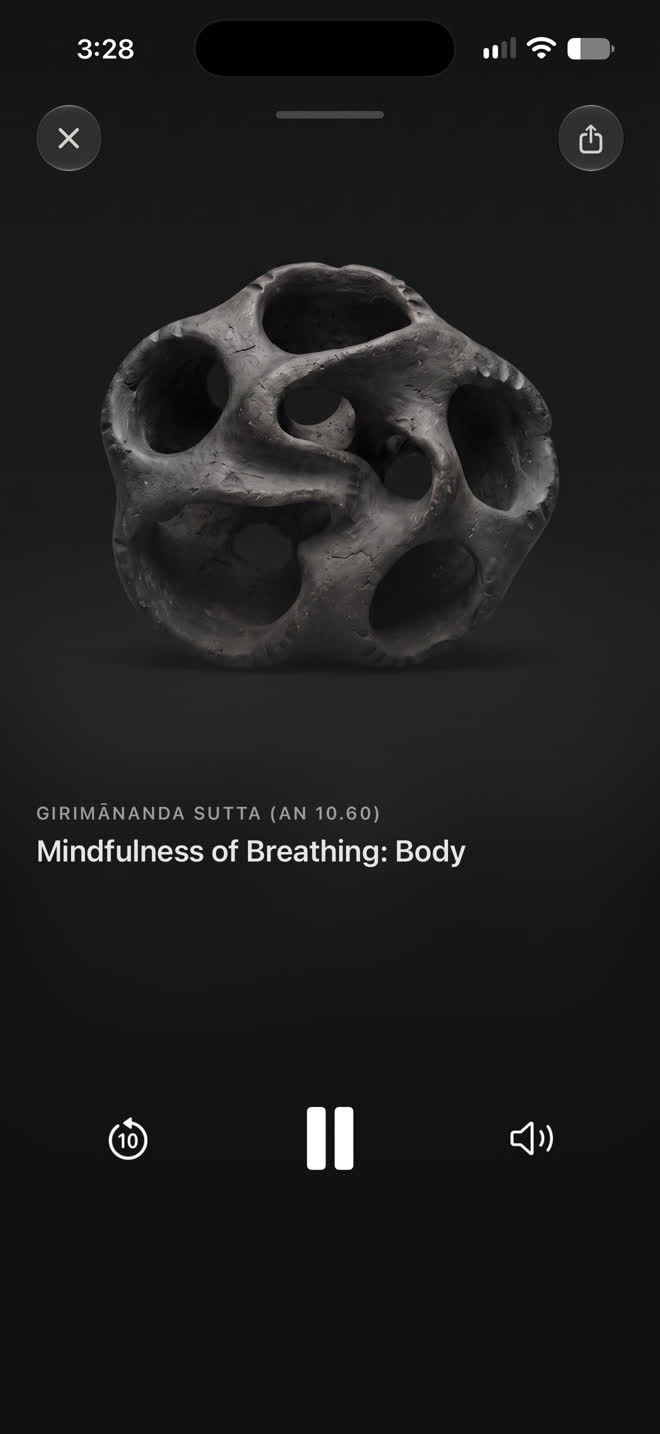
I built a streaming engine to fit AI-generated meditations to the time people choose.
I designed the system so users could choose their technique and duration, with intelligently timed silence shaped by the practice stage and what the guidance asks them to do. A timing loop schedules upcoming text-to-speech segments ahead of playback, measures their actual lengths, and rebalances the remaining pauses to fit the selected time. Play the excerpt to hear the result and follow the streaming schematic.
A market beyond the meditation subscription
US adults intend to meditate
but have no established practice
Estimated annual revenue
Global · 2025
Audience opportunity and category revenue · circles not to scale
I discovered and articulated a large, underserved market.
My research identified a positioning problem: meditation sold for sleep, anxiety, and calm competes with other remedies, from tea to sleep aids. I positioned The Sacred Act around becoming—helping people develop the identity and way of living they aspire to, with personalized practice and spiritual sovereignty. The opportunity is to make guidance available at a scale one-to-one teaching cannot reach, for people whose intention has not become a practice. That insight shaped the product’s Paths, prescription engine, and language. This is a pre-launch market thesis; willingness to pay remains to be tested.
Achievement
I translated a human practice into a working AI product by defining interaction rules, rebuilding the native architecture, and coordinating generated content with the experience.
- Interaction systemsI defined consistent visual states for listening, navigation, and AI work.
- Technical judgmentI rebuilt in Swift for coordinated motion and familiar iOS interactions.
- Product architectureI used shared transition state to keep motion continuous through interrupted gestures.
- Retention designI built intention-led meditation paths to give people direction and a reason to return.
- AI experience designI designed recommendations around context people can inspect and remove.
- ML system designI combined ML retrieval, user context, and prior responses in an auditable prescription engine.
- Content architectureI designed AI translation, extraction, and evaluation workflows that produce sourced JSON technique records.
- Streaming systemsI coordinated streamed speech and adaptive silence around the selected practice duration.
- AI-assisted buildingI built and iterated the product with Codex and Claude.
- Market positioningI identified an underserved audience and positioned personalized practice around identity and becoming.
Kerns Jewelers
Systems Diagnosis & AI-Native Workflow Design
Systems mapper, requirements lead & workflow designer
I mapped Kerns’ appointment process with its front-desk operator, identified bottlenecks across disconnected tools and manual handoffs, and designed an AI-native system proposal around shared records and automation. The proposal has not been implemented at Kerns.
I made a fragmented operating system diagnosable.
I interviewed the front-desk operator and traced bookings across phone, email, QR, website, and walk-in routes. Mapping responsibilities and data movement exposed repeated entry, disconnected records, and capacity constraints—turning a broad automation request into specific problems a system design could solve.
I translated the bottlenecks into an AI-native system proposal.
I designed the replacement around one booking record, connected client history, and automated schedules and routine handoffs. Each proposed change links to a numbered problem in the current-state map, while greeting, check-in, and advisor assignment remain human. This shows how I turn diagnosis into an inspectable system design; the proposal has not been implemented at Kerns.
Achievement
I can make an operating system inspectable, locate its bottlenecks, and translate them into a proposed replacement with traceable design decisions.
- Dependency mappingI traced appointment intake, data movement, responsibilities, and handoffs.
- Bottleneck analysisI identified repeated entry, disconnected records, and scheduling constraints.
- Operator researchI refined the map and requirements with the front-desk operator.
- Systems designI designed a proposed workflow that links each fix to an identified problem.
- Experience judgmentI preserved human greeting, check-in, and advisor assignment in the proposal.
I make emerging technology understandable, useful, and worth using.
I lead the content, creative work, and AI systems that bring that value to people.
hello@domenicashburn.com